Ash
Our native common ash (Fraxinus excelsior). You can recognise it by its black buds. It's often found in woodlands and hedgerows.

Ancient, pollard ash tree. (David Alderman)
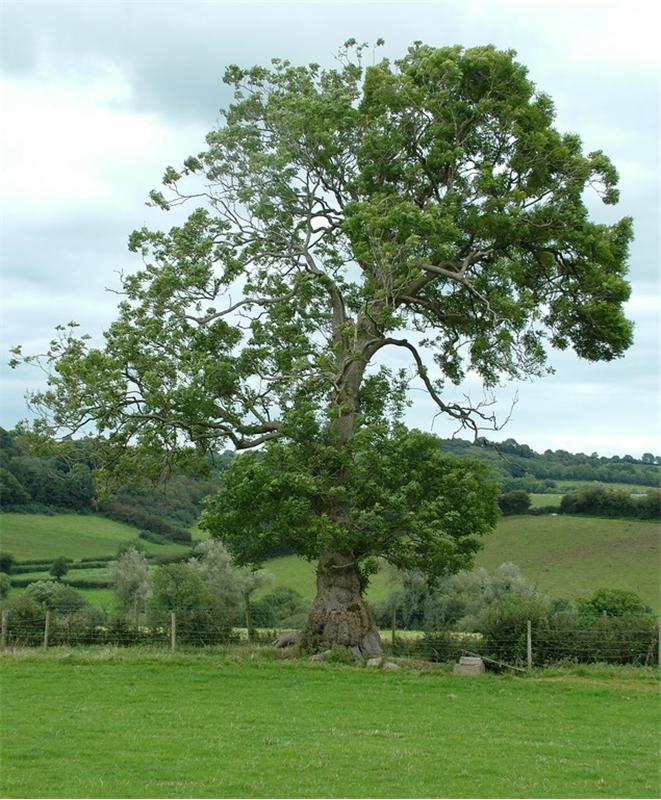
Veteran ash tree. (Photo: David Alderman)
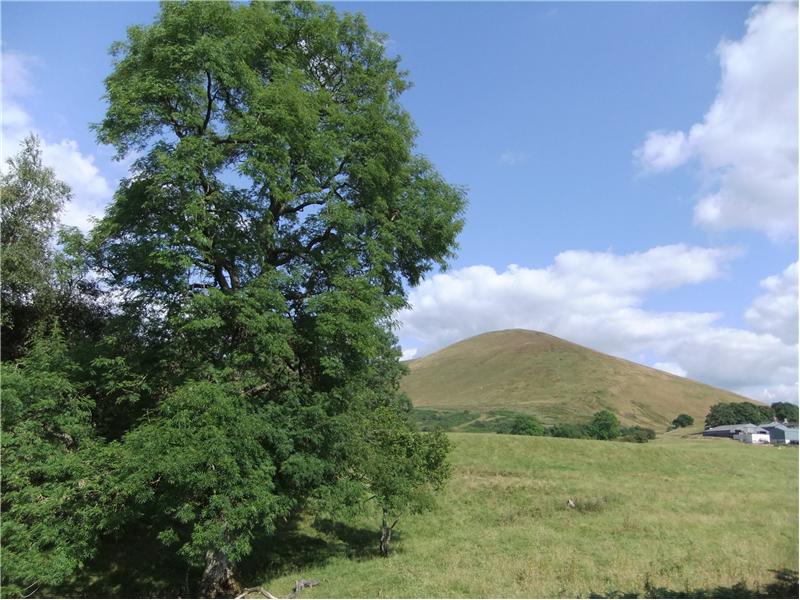
Notable ash tree. (Photo: David Alderman)
Distribution
Throughout the UK, other than on poor light sandy soils.
Typical location
Hedgerows, parkland, fields, woodland and wood pasture, urban areas and gardens.
Age
Ash may live for 350 years, although 200 may be more typical on many sites.
Ash may be considered chronologically ancient from 225 years onwards, although they may have developed ancient characteristics from around 175 years.
A veteran ash must be mature and have visible and significant decay features, regardless of its size.
A notable ash must be mature, generally large for its species, a significant tree within the local landscape, or be of historical or cultural importance.
Size
Ash can grow up to 5m plus in girth.
Record all mature ash with significant decay regardless of its size.
It’s important to rely on characteristics rather than size, which is an unreliable indication of age. Most chronologically ancient ash are greater than 4m in girth, but if grown in woodland, or have been previously managed as a pollard, they may be no more than 2m in girth.
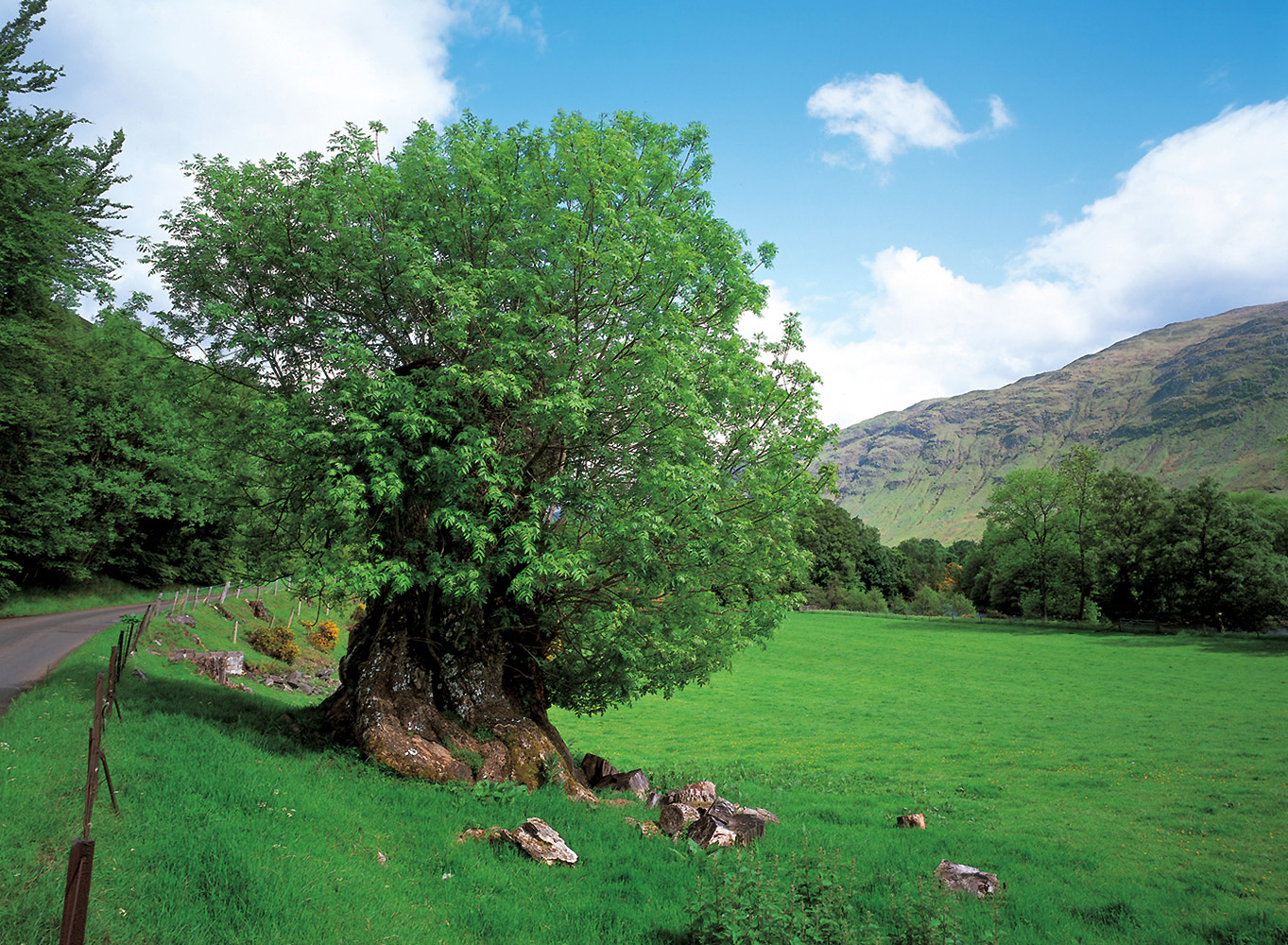
Glen Lyon Ash in Scotland has one of the largest girths of any ash in the UK. It's probably survived so long because it has been pollarded. (Photo: Ed Parker/WTML)
Ancient characteristics
- Girth is large
- Major trunk cavities or progressive hollowing
- Decay holes
- Physical damage to trunk
- Bark loss
- Large quantities of dead wood in the canopy
- Crevices in the bark, under branches or on the root plate, sheltered from direct rainfall
- Fungal fruiting bodies (from heart rotting species)
- A high number of interdependent wildlife species
- Epiphytic plants
In addition the tree may have:
- A pollard form or show indications of past management
- Cultural or historic value
- A prominent position in the landscape
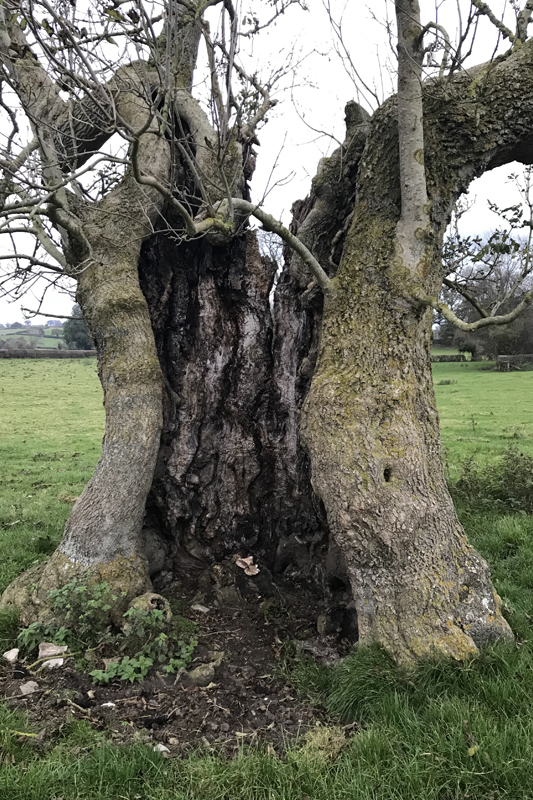
Ancient ash trees may have large cavities or holes in the trunk. (Photo: David Alderman)
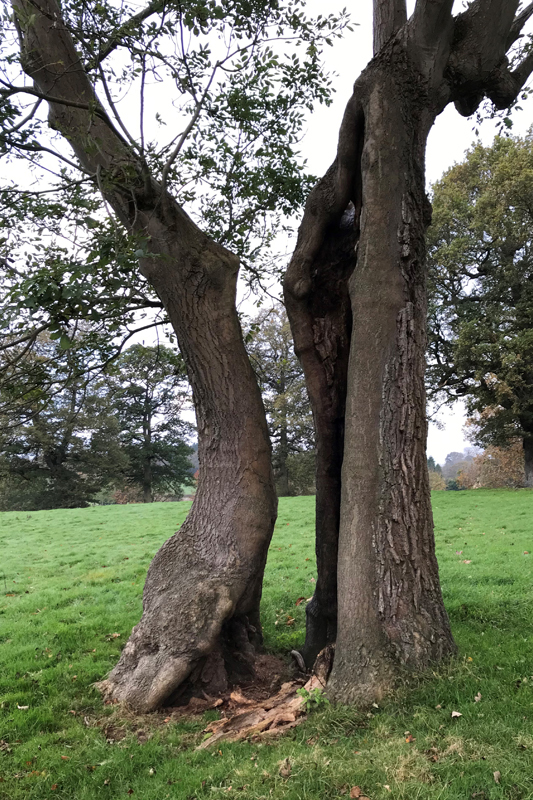
Look for progressive hollowing of the tree. (Photo: David Alderman)
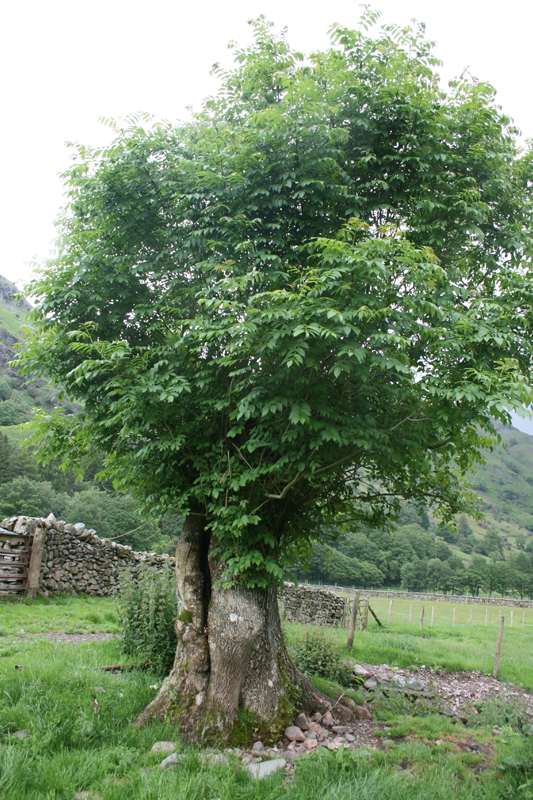
Ancient ash trees may show signs of management such as pollarding. (Photo: David Alderman)
